



A furnace that starts normally but keeps turning off before your home reaches the desired temperature can be frustrating, especially during colder weather. This problem is often called short cycling, which happens when a furnace repeatedly starts, runs for a short period, shuts down, and then starts again. Short cycling can be caused by something as simple as a dirty air filter or by more complicated problems involving the thermostat, safety controls, airflow, or furnace components.
The good news is that many causes can be identified and corrected. However, homeowners should avoid attempting repairs involving gas lines, electrical components, burners, or safety switches without appropriate training.
What Does It Mean When a Furnace Keeps Turning Off?
A properly operating furnace should complete a heating cycle rather than repeatedly shutting down after only a few minutes. If your furnace turns on, runs briefly, shuts off, and restarts several times, it may be short cycling. Frequent cycles can increase energy consumption, create uneven temperatures, and place additional wear on components.
The exact timing can provide a useful clue. A furnace that shuts down only seconds after the burners ignite may have an ignition or flame-sensing issue, while one that runs for several minutes before shutting down may be experiencing an airflow or overheating problem.
Start by Checking the Air Filter
One of the simplest things homeowners can check is the furnace air filter. A heavily clogged filter restricts airflow through the system. When insufficient air passes across the heat exchanger, temperatures inside the furnace can rise too much, causing a high-limit safety switch to shut the burners down.
If the filter looks dirty, replace it with the correct size and type recommended for your system. You should also make sure supply registers and return-air grilles are open and not blocked by furniture, curtains, boxes, or other objects.
If the furnace continues shutting down after the filter has been replaced and airflow obstructions have been removed, further diagnosis may be necessary.
Could the Thermostat Be the Problem?
The thermostat controls when your furnace starts and stops. If it has inaccurate temperature readings, weak batteries, wiring problems, or an unsuitable location, it may cause the furnace to cycle improperly.
For example, a thermostat positioned near direct sunlight, a heat-producing appliance, a draft, or a supply-air register may sense a temperature that does not accurately represent the rest of the home.
Check the thermostat settings and replace its batteries if applicable. If the thermostat appears to be working correctly but the furnace still shuts down prematurely, a professional can test its operation and determine whether recalibration, relocation, or replacement is appropriate.
A Dirty Flame Sensor Can Shut the Furnace Down
A furnace’s flame sensor helps confirm that the burners have successfully ignited. If the sensor becomes dirty or develops a fault, the control system may fail to recognize the flame and shut off the gas supply as a safety measure. This can create a pattern where the furnace ignites and then turns off shortly afterward.
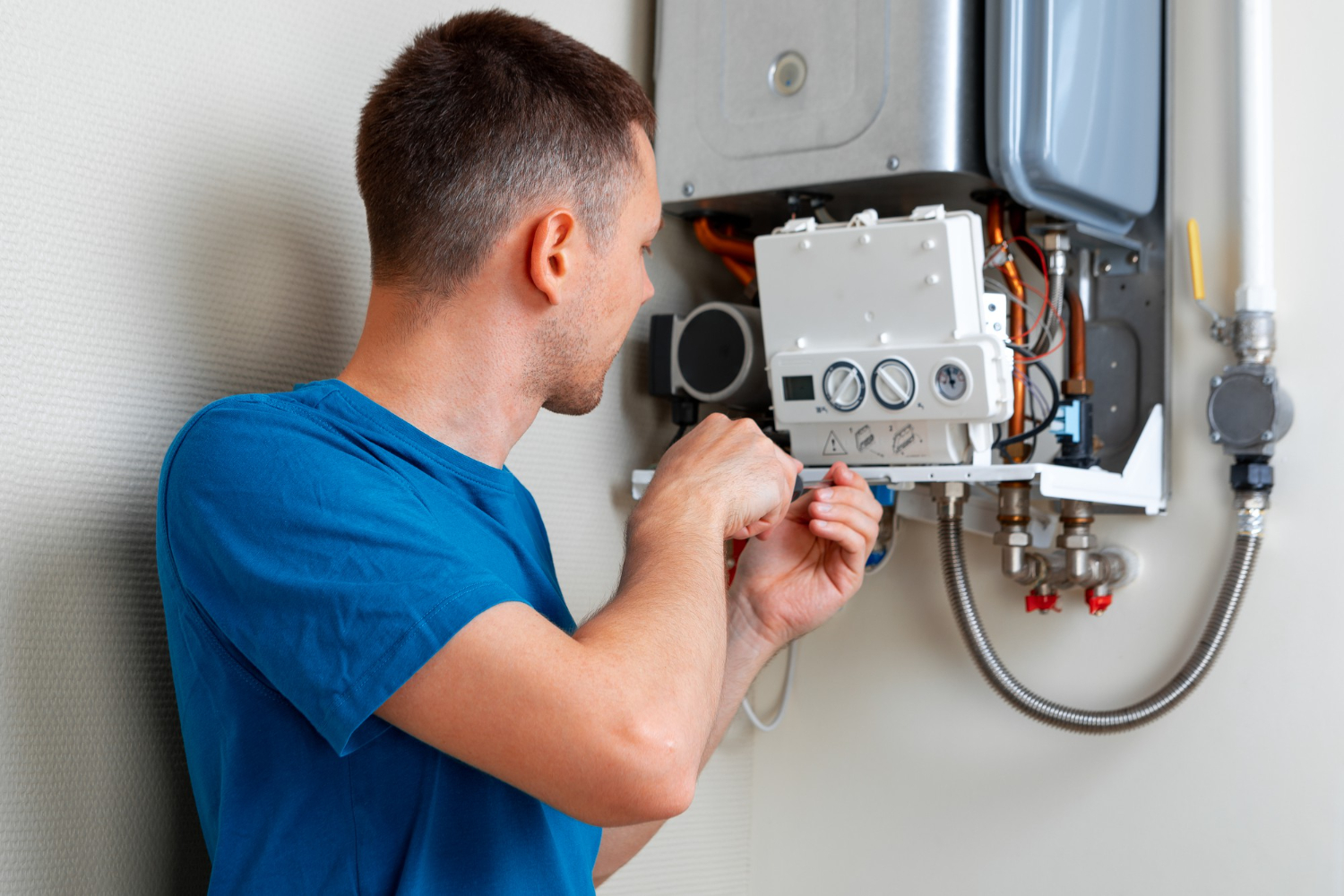
Because the flame sensor is part of the furnace’s safety and ignition system, homeowners should be cautious about attempting to remove or service it without knowing the manufacturer’s procedures. A qualified HVAC technician can inspect the sensor and determine whether cleaning or replacement is necessary.
Restricted Airflow Can Cause Overheating
A dirty filter is not the only possible airflow problem. Blocked return vents, closed registers, duct restrictions, or blower problems can also reduce the amount of air moving through the furnace.
When airflow is inadequate, the furnace may become too hot and activate its safety limit control. The burners then shut down to help protect the equipment. Once temperatures fall, the furnace may attempt another heating cycle.
This is why simply replacing a limit switch without identifying the underlying airflow problem may not solve the issue.
An Oversized Furnace May Also Short Cycle
Sometimes the furnace itself is not malfunctioning. Instead, it may be too large for the home’s heating requirements.
An oversized furnace can raise the thermostat temperature very quickly and shut down before providing consistent, even heating throughout the house. Proper equipment sizing should be based on an appropriate heating-load calculation rather than relying only on the home’s square footage or the size of an older furnace.
If the furnace has behaved this way since installation, an HVAC professional can evaluate its capacity and the home’s heating requirements before recommending major changes.
What Can You Safely Check Yourself?
Before arranging professional service, homeowners can perform several basic checks:
- Inspect the air filter and replace it if it is dirty.
- Make sure supply vents are open and unobstructed.
- Check that return-air grilles are not blocked.
- Verify the thermostat is set correctly.
- Replace thermostat batteries when appropriate.
- Pay attention to how long the furnace runs before shutting off.
- Check whether the furnace produces unusual sounds or odors.
These observations can give a technician useful information. However, avoid bypassing safety switches, opening gas lines, modifying electrical wiring, or repeatedly resetting a furnace that continues to shut down.
When Should You Call a Furnace Professional?
If basic airflow and thermostat checks do not solve the problem, professional diagnosis is the safest next step. A technician can inspect the flame sensor, limit controls, ignition system, blower operation, ductwork, thermostat, pressure switches, and other components that may contribute to repeated shutdowns.
Professional furnace repair Orange County services can also help identify whether the issue is a relatively simple component failure or a larger problem affecting the furnace’s performance.
If the furnace repeatedly shuts down, leaving the problem unresolved can lead to unnecessary wear and reduced comfort. Short cycling has been associated with additional stress on components and inefficient operation.
Do Not Ignore Unusual Furnace Odors or Safety Concerns
A furnace that repeatedly shuts down deserves attention, particularly if you notice unusual odors, combustion problems, visible damage, or signs of improper venting.
If you smell natural gas, leave the area and follow your local gas utility’s emergency procedures rather than attempting to diagnose the furnace yourself. If a carbon-monoxide alarm activates, move to fresh air and follow emergency guidance.
Safety-related furnace problems should always be handled by qualified professionals.
Can a Furnace That Keeps Turning Off Be Fixed?
In many cases, yes. A dirty filter, blocked airflow, thermostat problem, dirty flame sensor, or certain control issues may be repairable without replacing the entire furnace. Other situations, such as incorrect equipment sizing or serious heat-exchanger damage, may require a more extensive solution.
The important step is determining the actual cause rather than repeatedly resetting the furnace or replacing parts based only on the symptoms.
Final Thoughts
A furnace that keeps turning off is not necessarily a sign that the entire system needs replacement. Start with simple checks such as the air filter, thermostat settings, and blocked vents. If the problem continues, professional diagnosis can determine whether the furnace is overheating, losing its flame signal, experiencing an airflow restriction, or dealing with another mechanical or electrical issue.
Addressing repeated shutdowns early can help restore reliable heating, improve comfort, and prevent a relatively manageable problem from developing into a more expensive repair.